
Safe, Smart, and Effective: The Essential Role of Pesticide Labels in Application
Why the Pesticide Label Matters
Every pesticide is required to have a label approved by the
Environmental Protection Agency (EPA), and that label is more than just small
print, it is the law. Neglecting to follow the label is not only risky for your
crops, your workers, and the environment, it’s illegal. Think of the label as
your rulebook. Just like a driver studies the rules of the road before getting
behind the wheel, growers must study the pesticide label before every
application.
Labels can change overtime, so even if you’ve used the same
product before it still should be reviewed. Companies regularly update directions, add new
uses, or remove old ones. Reading the label every single time ensures that you
know exactly how to apply the product safely and legally. Even if you have a
product from the past, you can review the most recent label by looking it up
online on the manufacturer’s website or on Greenbook Crop Protection Label Data
or Crop Data Management Systems label database.
When to Read the Label
The short answer? Every time.
·
Before you buy: Make sure the pesticide is
effective for your pest problem and approved for your intended crop or site,
also checking for any restrictions.
·
Before you mix or spray: Confirm rates,
timing, weather restrictions, suggested additives, and protective equipment
needs.
·
During storage and disposal: Review storage
instructions, fire safety precautions, and legal requirements for container
disposal.
·
If there’s an emergency: Labels provide first
aid instructions and emergency numbers.
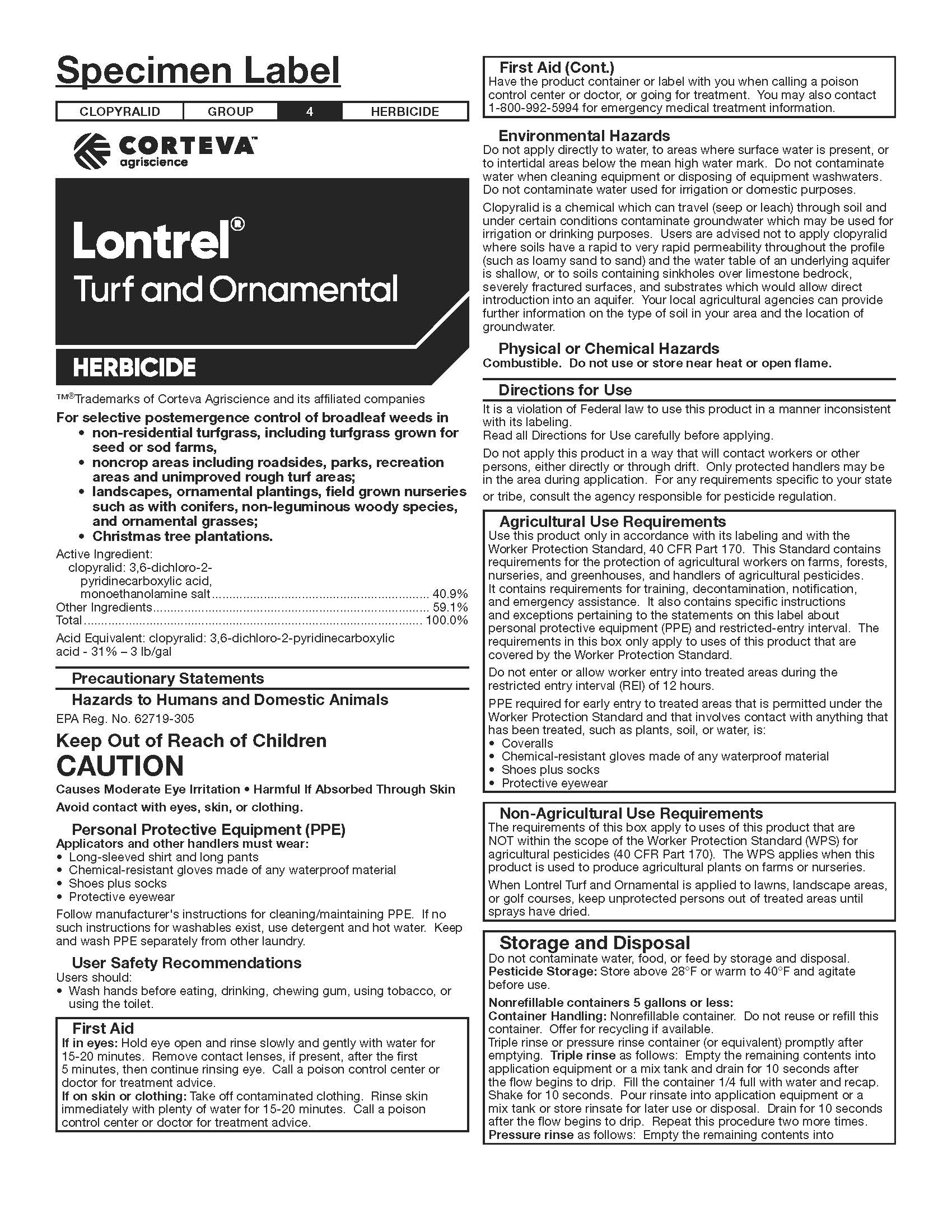
What to Look for on the Label
Product identity
·
Signal words and symbols
·
Precautionary statements
·
First aid instructions
·
Direction for use
·
Agricultural and Non-Agricultural Use
Requirements
·
Environmental and Physical Hazards
Final Takeaway: Make the Label Your Habit
Reading the pesticide label isn’t an optional step, it’s part of
professional, responsible farming. By checking the label every time you buy,
mix, apply, or dispose of a product, you protect yourself, your workers, your
crops, and your land. Think of it as insurance: five minutes spent reading the
label can prevent accidents, legal trouble, and lost profits.
Debalina Saha
Associate Professor, Michigan State UniversityDebalina Saha is an Associate Professor of ornamental weed management in the Department of Horticulture at Michigan State University. She has an appointment in research, teaching, and Extension. Debalina provides statewide weed identification and management recommendations for ornamental plant production in greenhouses, nurseries, landscapes, and Christmas tree production. The primary goal of her research program is to improve upon current weed control practices and develop new effective methods of weed control using an integrated approach that involves both chemical and non-chemical strategies.
